Deeds That Continue to Earn Rewards After Death: Your Everlasting Investment
2025/08/28
732

Table of Contents
Loading table of contents...
Have you ever wondered how your rewards and blessings can continue even after you leave this life? In a world full of temporary material investments, there's a true, unending investment that keeps growing and earning you good deeds while you are in your grave. This investment is the righteous deed that continues to earn rewards after death.
What is Sadaqa Jariyah?
Sadaqa Jariyah (continuous charity) is a special kind of charity whose effect is not limited to the moment it is given but extends and continues for a long time, sometimes indefinitely. It's a charitable act from which people continue to benefit generation after generation. It is a great concept based on the principle of "sustainability in goodness," where the reward is renewed with every person who benefits from this deed, even after the death of its owner.
Evidence from the Quran and Sunnah
The idea of continuous reward after death is not just a human effort; it's a firm principle in Islamic law. The strongest evidence for this is the authentic hadith narrated by Muslim from Abu Hurairah (may Allah be pleased with him), where the Messenger of Allah (peace be upon him) said:
"When a person dies, all their deeds come to an end except for three: a continuous charity, beneficial knowledge, or a righteous child who prays for them."
This hadith is the core principle of deeds that do not cease to earn rewards. The Quran also alludes to this meaning in the verse: "Indeed, it is We who bring the dead to life and record that which they have sent before and what they have left behind" (Surah Yaseen: 12). The "left behind" here includes all the good an individual leaves after their passing.

Types of Sadaqa Jariyah
Sadaqa Jariyah takes many forms, some grand and some simple, but their impact is immense. Among the most prominent types are:
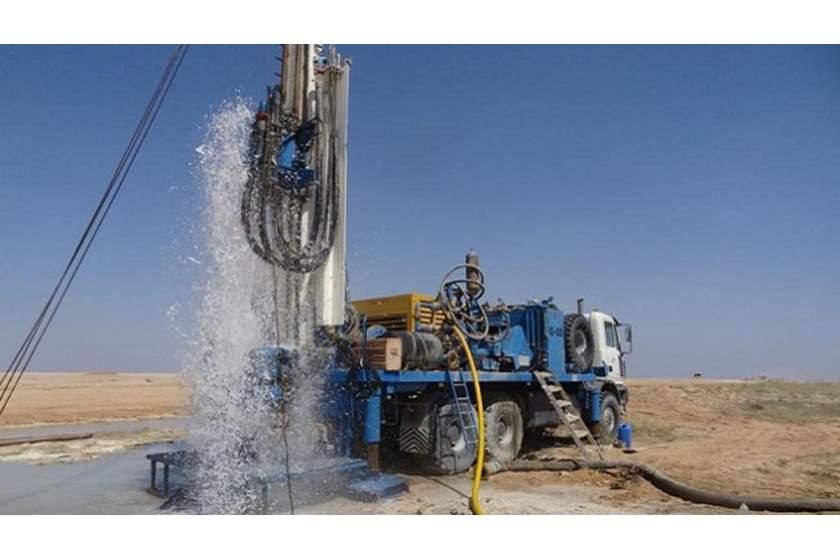
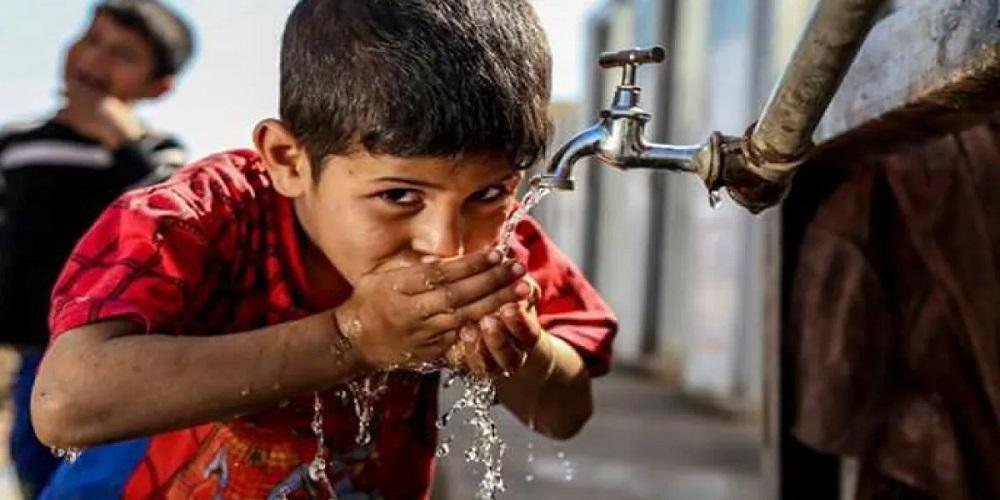
- Digging wells and providing water: This is one of the greatest continuous charities. The person who digs a well or contributes to it continues to earn rewards as long as people drink from it.
- Building mosques, hospitals, and schools: Every person who prays in the mosque, studies in the school, or is treated in the hospital contributes to the reward of the donor.
- Printing Qurans and religious books: Placing a Quran in a mosque or a public library ensures a continuous reward with every recitation or reading.
- Supporting education: Contributing to building schools, sponsoring a student, or providing books and educational supplies.
Beneficial Knowledge
Knowledge is one of the most important assets that remain after a person's death. If a person teaches others something beneficial, writes a book that people benefit from, or spreads any kind of knowledge, its impact extends indefinitely. Every student they taught and every person who benefited from their knowledge earns them a reward.
The Righteous Child Who Prays for Their Parents
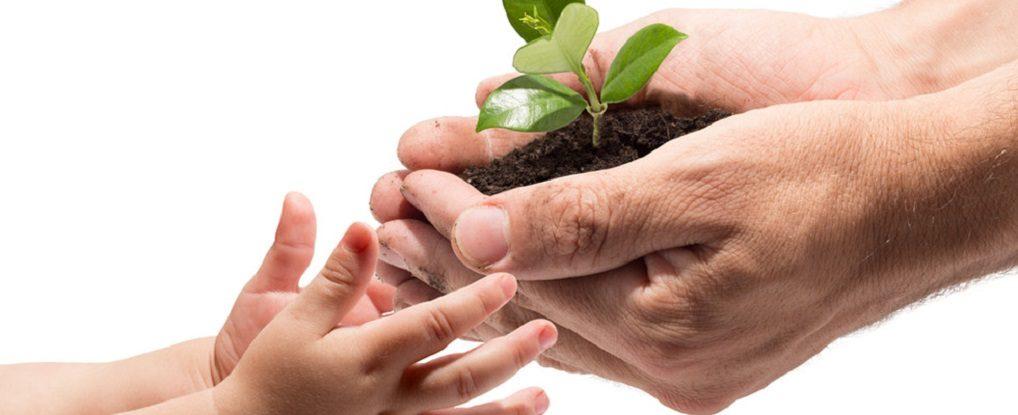
Raising children to be righteous and devout is a long-term investment. If a child grows up loving Allah and His Messenger and prays for their parents after their death, those prayers reach them in their graves and increase their status and rank. This emphasizes the importance of good upbringing as an investment for the Hereafter.
The Islamic Endowment (Waqf) and Its Lasting Impact
The concept of Waqf is a practical manifestation of Sadaqa Jariyah. A Waqf is the permanent dedication of an asset for charitable purposes. Throughout history, Muslims have dedicated land, properties, and libraries to support mosques, hospitals, and the poor. These endowments remain, and their rewards are continuous.
Practical Examples from the Lives of the Companions
Sadaqa Jariyah was not just a theory; it was an integral part of the lives of the Companions and their followers.
- Uthman ibn Affan (may Allah be pleased with him) bought the Well of Rummah and made it a Waqf for the Muslims, and its benefit has continued to this day.
- Many Companions and their followers dedicated their orchards and properties for the sake of Allah, and these endowments became a source of never-ending good.
Small Deeds... Immense Impact
Do not underestimate any good deed you do. Your contribution to buying a chair for a mosque or a desk for a school could be your continuous charity. The impact isn't measured by the size of the deed, but by the sincerity of the intention and the continuity of the benefit.
Why Sadaqa Jariyah is the Greatest Investment for the Hereafter
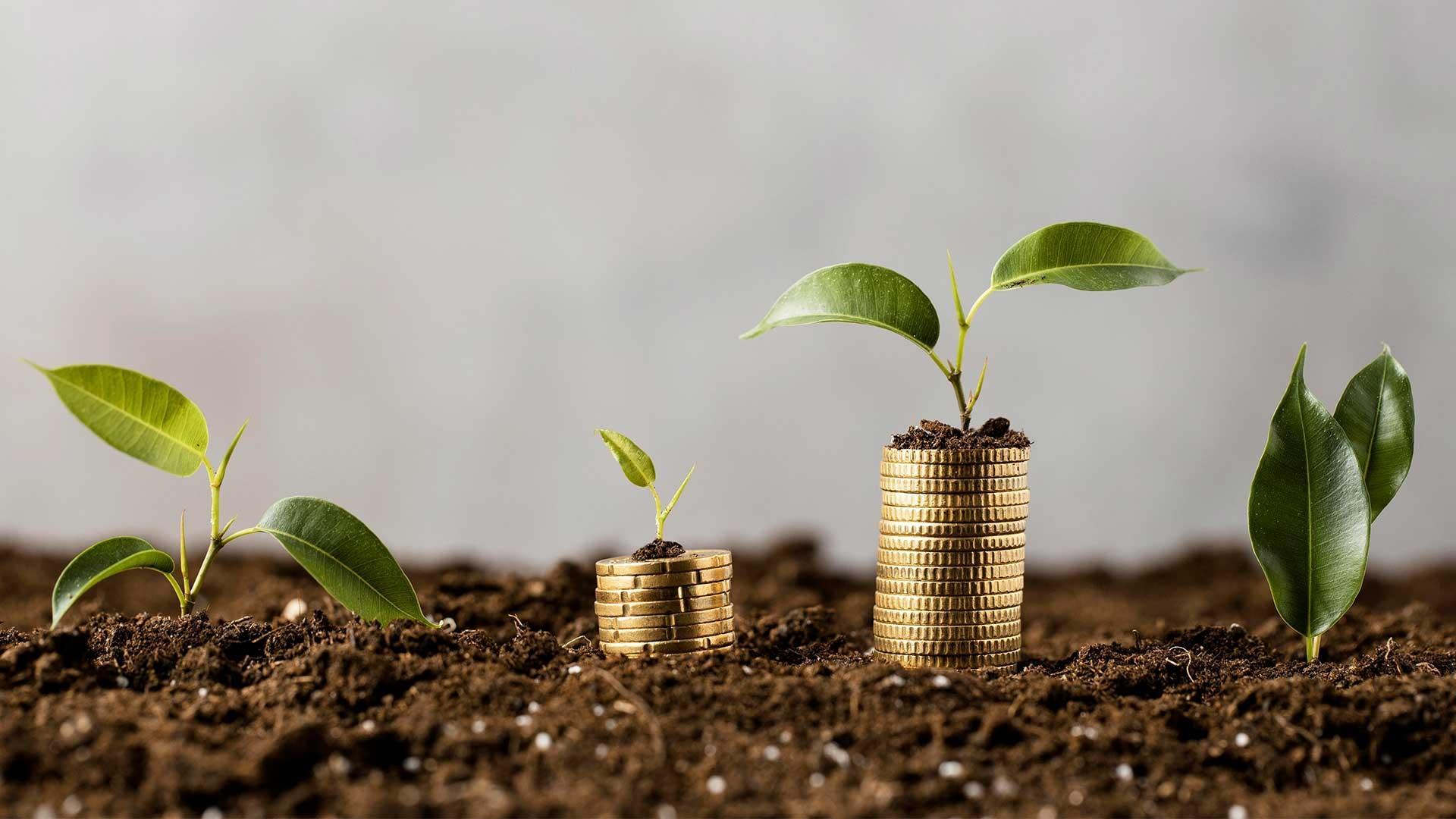
Sadaqa Jariyah is like a bank account for the Hereafter, where you deposit money or effort, and it continues to generate returns for you even after your death. While other deeds cease, this investment continues to grow and increase your balance of good deeds, at a time when you will be in most need of a single good deed.
How to Donate to Al Kawther Humanity Association?
You can join us at Al Kawther Humanity Association to leave a lasting mark of goodness that never ceases, by:
- Website: Donating securely and directly through our official website.
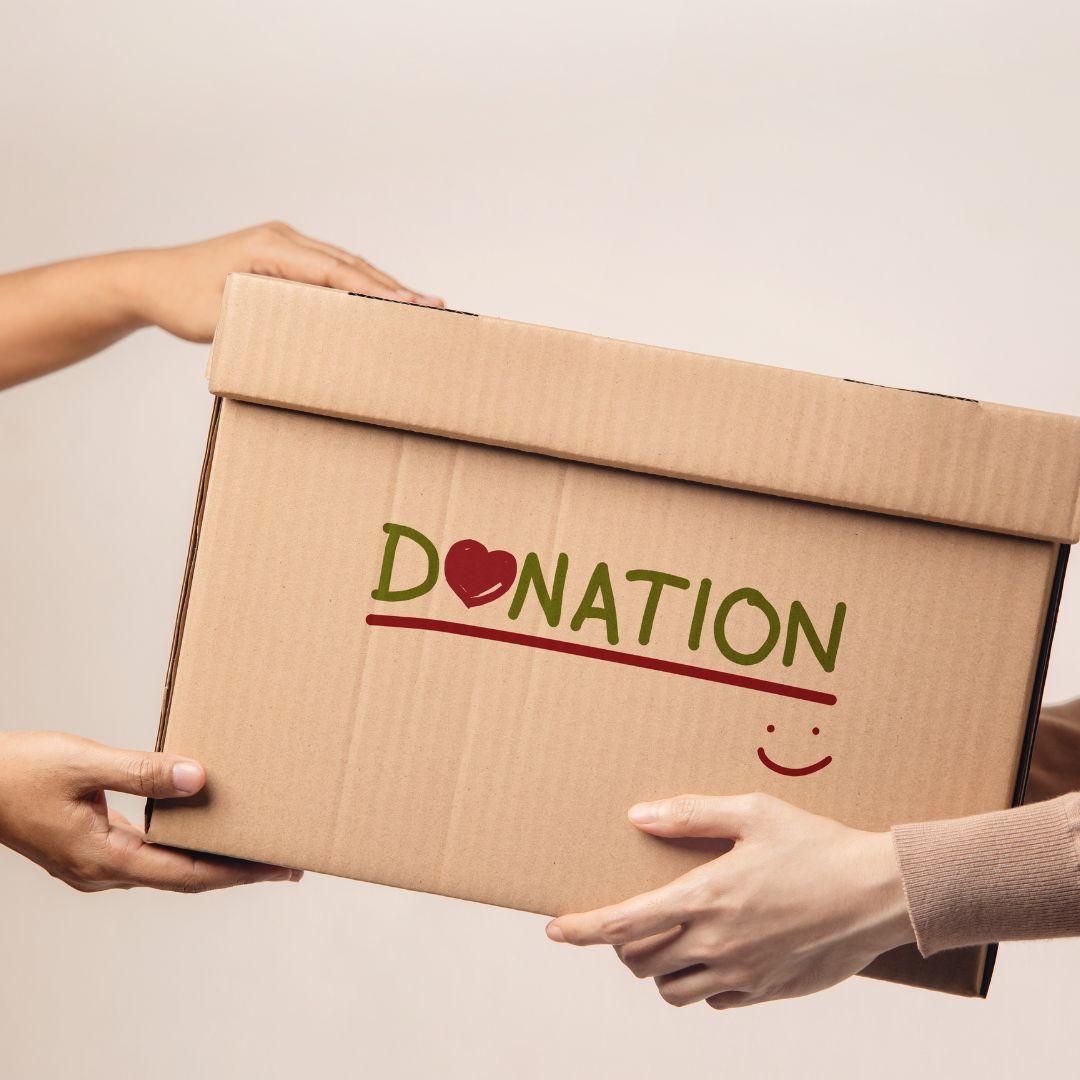
All your donations go directly to support our sustainable charitable projects, such as digging wells, building mosques, supporting education, and relief projects whose impact continues.
Frequently Asked Questions
Can I specify the project I want to donate to? Yes, you can choose the project you wish to support, whether it's a continuous charity like digging a well or an urgent relief project.
Can I donate a small amount? Absolutely. Any amount, no matter how small, can be part of a great continuous charity.
Can I donate on behalf of my parents or a deceased loved one? Yes, and the reward for the charity will reach them, by the will of Allah.