Clean Water: The Foundation of Health and a Humanitarian Priority
2025/09/26
871

Table of Contents
Loading table of contents...
Clean Water and its Direct Link to Public Health
Water is the lifeline, and it is impossible to imagine the existence of any living creature without it. However, not all water is equal, as clean and safe drinking water is the cornerstone of public health. Access to safe water is the first line of defense against many diseases and ensures the safety of individuals and communities. When a source of clean water is available, the rates of waterborne diseases, such as cholera, typhoid, and diarrhea—which are considered one of the leading causes of death, especially in developing countries—significantly decrease. Clean water is also essential for personal and domestic hygiene, as regular handwashing with soap and water prevents the spread of germs and helps reduce respiratory and skin diseases.
Diseases Resulting from the Scarcity of Safe Water
Water scarcity is not just a logistical challenge; it is a real health crisis. In many regions around the world, people are forced to rely on contaminated water sources, exposing them to serious health risks. The diseases spread by unclean water are varied and dangerous, including:
- Cholera: A bacterial disease that causes acute diarrhea, which can quickly lead to dehydration and death.
- Typhoid: A bacterial infection that causes high fever and abdominal pain.
- Intestinal worms: Transmitted through contaminated water, causing malnutrition and anemia.
- Hepatitis A: A viral disease that affects the liver and is transmitted through contaminated food and water.
The effects of these diseases are not limited to the health aspect; they also impact the economic side. Communities suffering from these illnesses become less productive, and the burden on their limited healthcare systems increases.
Children Are the Most Affected by the Lack of Safe Drinking Water
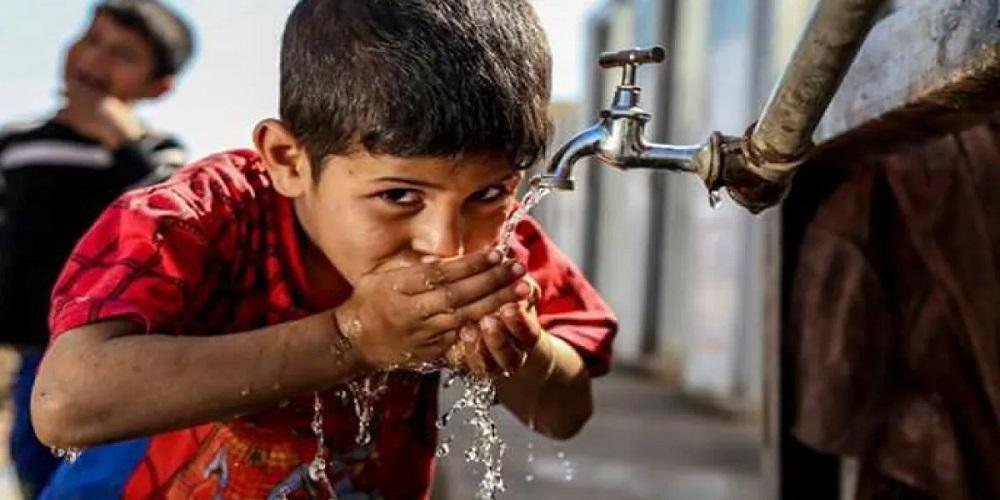
Children are the most vulnerable group and the most affected by the lack of clean water. Their immune systems are not fully developed, making them more susceptible to waterborne diseases. Thousands of children die daily due to acute diarrhea caused by unsafe water. Furthermore, the lack of clean water directly impacts children's development, as malnutrition resulting from recurrent diarrhea hinders their physical and mental growth, affecting their educational and professional future. This depicts a painful reality lived by many children.
The Role of Humanitarian Organizations in Providing Safe Water Sources
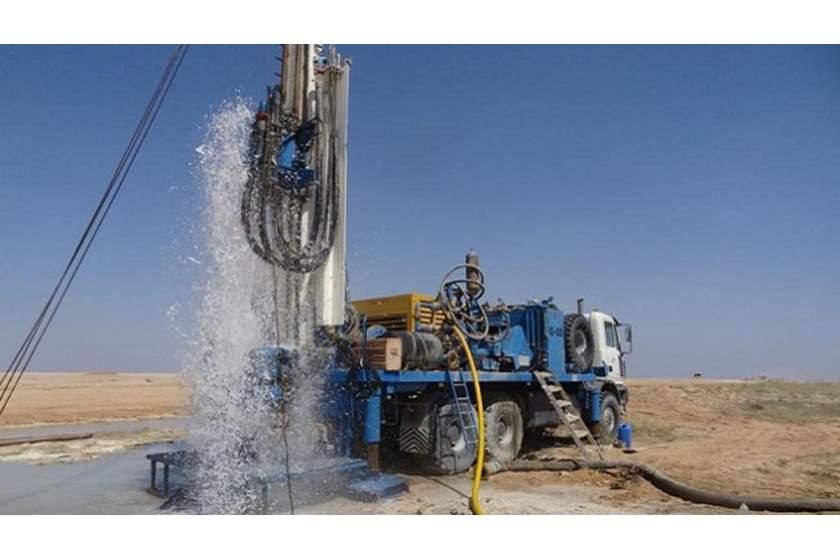
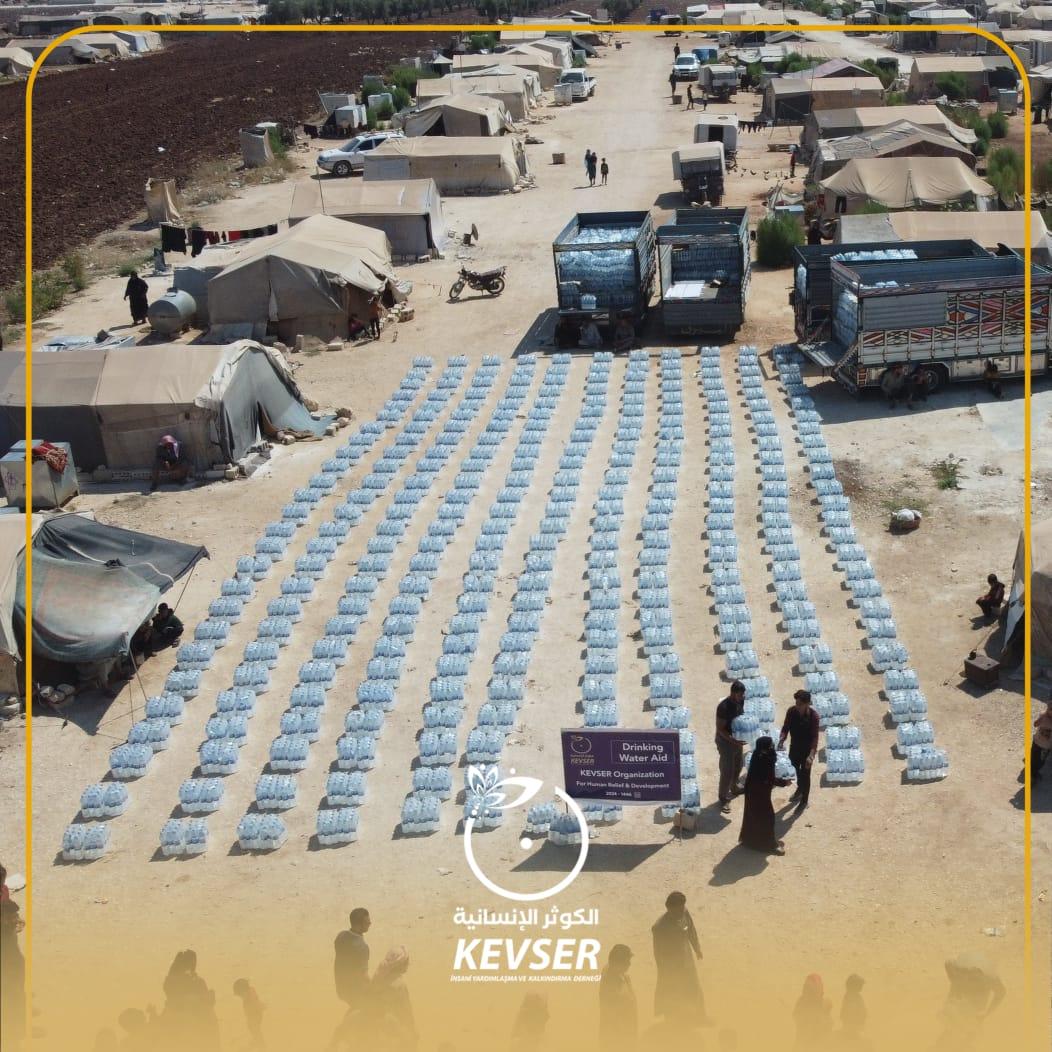
Water projects are among the priorities of humanitarian work. Humanitarian organizations provide vital support to needy communities by drilling wells, installing water purification plants, and building tanks to collect rainwater. These projects are not limited to providing drinking water; they are also used for agriculture, contributing to food security for communities.
How a Water Well Changed the Life of an Entire Village
In a remote village in Africa, residents suffered from the hardship of fetching water from a distant, contaminated river. Children and women traveled long distances every day, consuming their time and effort and exposing them to diseases. A humanitarian organization decided to drill an artesian well in the heart of the village. This well had a massive impact; once the clean water flowed, everything changed. Children started going to school instead of fetching water, and disease rates dropped significantly. The village transformed from a place suffering from poverty and disease into a healthier and more productive community.
Challenges Facing Water Provision in Poor Areas
The challenges facing water provision in poor areas are complex and multifaceted. These challenges include:
- Poverty and Lack of Funding: The absence of necessary financial resources to build and maintain water infrastructure.
- Armed Conflicts and Natural Disasters: Leading to the destruction of water sources and the displacement of populations.
- Climate Change: Droughts and floods directly affect water availability.
- Absence of Sound Governance: Poor management of water resources and lack of long-term plans.
Innovations and Sustainable Solutions for the Problem of Water Scarcity
To face these challenges, innovative and sustainable solutions are emerging. Among these solutions are:
- Water Desalination: Using renewable energy to desalinate seawater and make it potable.
- Rainwater Harvesting: Building systems to collect and store rainwater for use during times of drought.
- Developing Household Water Filters: Small and effective devices to purify water from contaminants.
How Donors Contribute to Saving Lives Through Water Projects
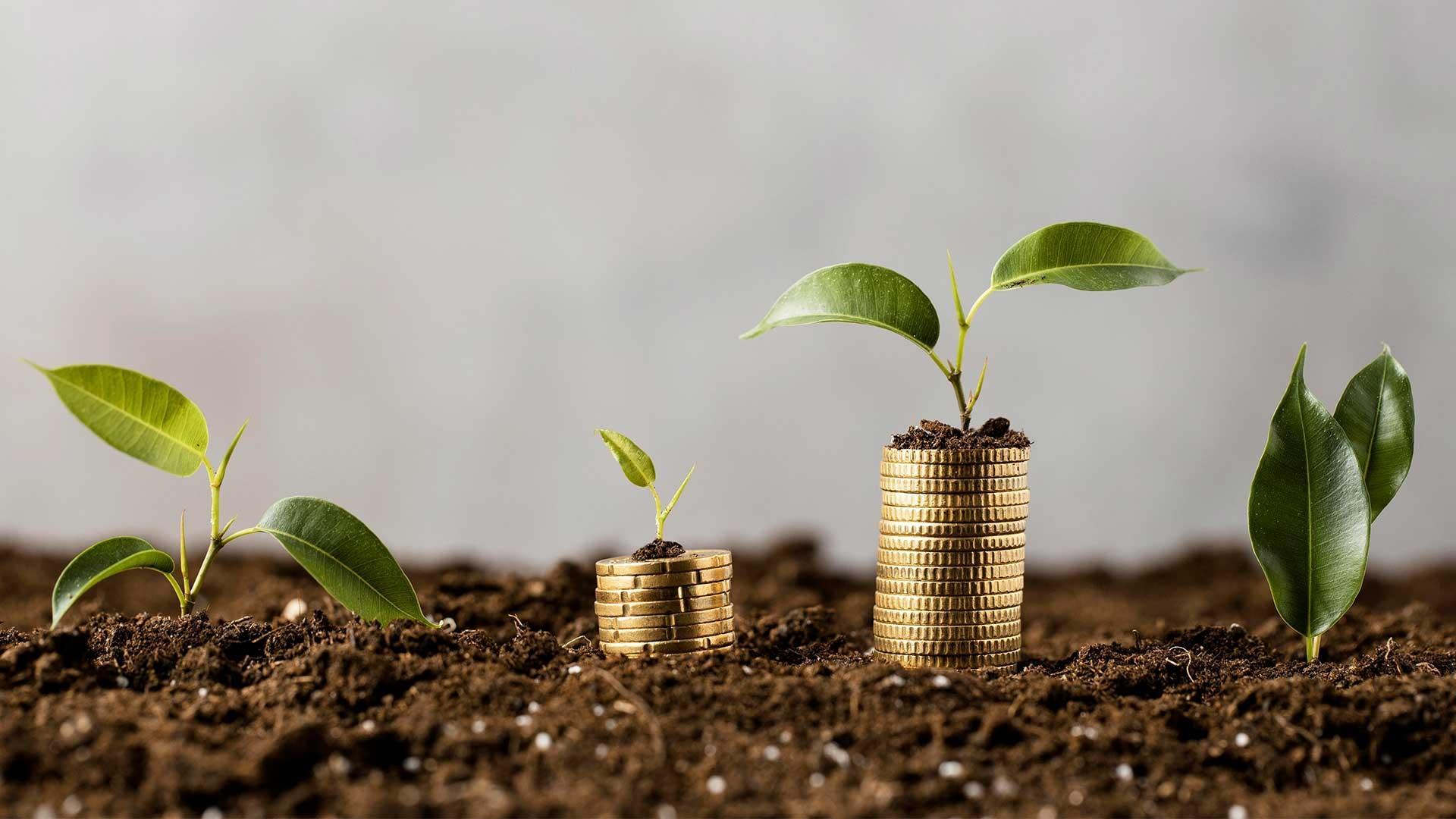
Donors play a crucial role in saving lives. Water projects are among the most impactful charitable projects; donating to build a water well or a purification plant is an investment in people's lives. Every dollar donated helps provide clean water, which leads to reduced diseases, improved education, and the creation of economic opportunities.
The Importance of Community Awareness in Preserving Water Sources
No water project is complete without community awareness. Individuals must be educated about the importance of rationalizing water consumption and how to maintain the cleanliness of its sources. Awareness programs enable communities to sustainably manage their own water projects and enhance their sense of responsibility towards this precious resource.